How Artificial intelligence Is Used within web design for Hempstead, NY Businesses

What role does AI play in Web Design?
Artificial intelligence in web design enables groups plan, create, improve, and optimize websites at a faster pace and with greater accuracy. For numerous companies, web design is not only about making a site seem appealing; it is about supporting business goals such as lead capture, visibility, and conversion. That is where artificial intelligence and machine learning play a role.
At a practical level, AI can review large amounts of data, identify patterns in user behavior, and recommend improvements that a human team can test and refine. It can help with layout ideas, copy suggestions, image selection, and technical performance. It can also support automation across repetitive design tasks, improving efficiency without displacing human judgment.
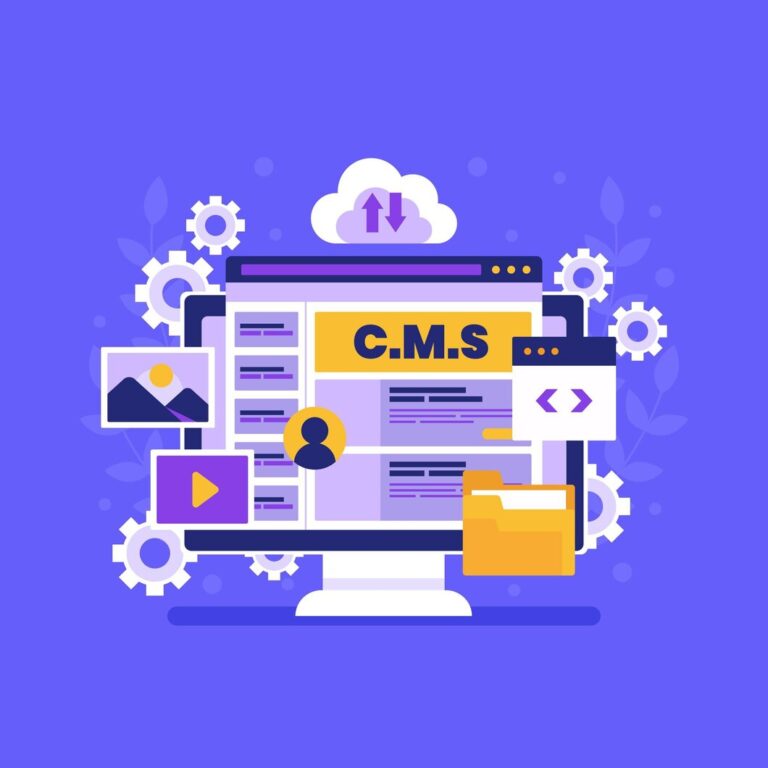
Today’s websites are often built with a mix of tools, including a website builder, CMS platforms, and custom development workflows. AI can assist within those environments by generating starter content, suggesting layout suggestions, and analyzing what keeps visitors engaged. This leads to faster design workflow cycles and more opportunities for optimization.
AI also helps teams think past visuals. It can support visual hierarchy, accessibility improvements, and the overall customer journey. In other words, AI is not just a design shortcut; it is a decision-support layer that helps businesses make smarter site choices based on data-driven insights.
In what way AI Speeds Up Website Strategy and Planning
Before a single page is built, AI can help shape the strategy. This is where tools for layout planning, user persona analysis, and content planning have a major impact. Rather than guessing what visitors want, teams can use AI to review search trends, on-site behavior, and competitor patterns to create a more focused plan.
For example, a Hempstead, NY contractor might need different website sections than a local salon or law office. AI can help identify the most important pages, estimate what questions visitors are likely to ask, and recommend the best page structure for conversions. That kind of planning supports both the user interface and the broader business strategy.
AI also improves forecasting analysis. By reviewing historical data, it can forecast which content topics, calls to action, or page flows may perform best. That helps teams prioritize what to build first and where to spend time. The result is a more focused strategy that reduces wasted effort.
During early planning, AI can also support content creation for outlines, section ideas, and draft headlines. This does not replace thoughtful messaging, but it can streamline the groundwork. For businesses that need to move quickly, AI can compress the time between concept and launch while keeping the plan aligned with business goals.
AI Tools for Visual Styling and Page Layout Building
Generative AI is reshaping how designers produce website visuals and page layouts. Instead of beginning with a blank canvas, teams can ask AI to generate concepts, page sections, or style directions based on brand inputs. That renders early design exploration quicker and more flexible.
Design teams use AI to create mockups, propose color relationships, and propose ways to improve responsive design. Since many visitors browse on phones first, especially in Nassau County where people search while commuting or checking businesses on the go, AI-assisted design can help create faster mobile experiences. A mobile-first approach is especially important for local businesses serving both walk-in customers and service-area clients.
AI can also help arrange UI components such as buttons, forms, testimonials, and navigation patterns. These elements can be assembled with greater speed when AI offers reusable structures that fit the brand. Designers still review every detail, but the first draft arrives more quickly.
Another key advantage is support for prototyping. AI can streamline the creation of clickable demos or content-rich mockups, making it easier for stakeholders to review a concept before full development begins. This shortens the approval cycle and helps teams catch issues early.
For businesses in Hempstead and across Long Island, this speed matters. Local competition is often intense, and fast-moving design production can help a company launch sooner, validate sooner, and optimize sooner.
How exactly does AI Strengthens UX, Tailored experiences, and Engagement
AI brings a major impact on user experience because it can interpret behavior at scale. It examines clicks, scroll depth, time on page, device type, and other signals to understand what visitors are doing. That insight helps teams improve navigation, content placement, and conversion pathways.
Personalization is one of the most visible uses of AI in web design. A site can show different content blocks, recommendations, or calls to action based on prior visits, location, or on-site actions. This form of content personalization makes the experience more pertinent and can boost engagement.
Chatbots are another common AI feature. They handle basic questions, lead visitors to service pages, and help qualify leads all day and night. For a busy local business, chatbots can limit missed opportunities and provide a smoother support experience. They also help visitors get quick answers without digging through the site.
AI can also enhance analytics by surfacing trends that humans might miss. For example, if mobile visitors from Hempstead are leaving a contact form halfway through, AI may identify friction in the form design or the page copy. Designers can then test improvements using A/B testing and measure whether those changes improve results.
When used well, AI improves more than engagement metrics. It helps a site feel more easy to use, more responsive, and more useful at each step of the customer journey. That combination of usefulness and simplicity is what supports stronger user satisfaction and repeat visits.
Artificial intelligence & SEO Services for Stronger Visibility
Artificial intelligence now has a major role in SEO services because it can review search data quickly and uncover patterns in keyword research and search intent. Rather than targeting keywords in isolation, artificial intelligence helps teams determine why someone is searching and what kind of page experience best fulfills that need.
For instance, a local business may want to rank for service pages, location pages, and questions people ask before calling. AI can help determine which phrases show buying intent, which ones reflect research behavior, and how to organize content so it matches the searcher's intent more closely. That boosts relevance and can strengthen ranking signals.
AI also supports on-page optimization by recommending headings, related terms, and topic coverage that align with what search engines expect to see. This is especially helpful for businesses that need improved local SEO visibility in Hempstead, NY and surrounding Long Island communities. When local customers search on mobile devices, the websites that load quickly and match intent often capture the click.
Search performance also increases when AI helps refine metadata, internal linking, and page structure. A local dentist, roofer, or accounting firm can use AI-assisted research to build pages that answer common questions in a way that feels natural and useful. That kind of content strategy is not just about traffic; it is about attracting qualified visitors who are more likely to convert.
In many cases, AI helps SEO teams align website design with content strategy. That creates a stronger foundation for visibility, especially when the goal is to reach customers who are actively searching nearby for a trusted provider.
How Marketing Teams Departments Apply AI with Site Design
Digital marketing groups apply AI to make websites perform better across campaign efforts, conversion funnels, and lead nurturing. Site design is not detached from marketing; it is one of the main tools that supports results. When AI is added to the workflow, teams can connect landing pages, forms, ad messaging, and site behavior more effectively.
One major use case is lead generation. AI can help determine which pages generate the most inquiries, which forms create drop-off, and which page elements improve completion rates. That information https://auburn-ny-ec680.opalvector.com/posts/web-design-seo-services-digital-marketing-ai-experts-in-glen-cove-ny helps marketers rework pages with a clearer path to action. The goal is simple: fewer distractions, better messaging, and stronger conversion.
AI also boosts conversion rate optimization by comparing page layouts, headlines, offers, and button placement. These changes are often small, but they can have a real impact on how many visitors contact the business. AI speeds up the testing process and helps teams focus on the best-performing changes.
Because marketing is often data-driven, AI is a strong match for campaign analysis. It can compare traffic sources, measure performance by device, and identify which landing pages bring in qualified leads. That makes it easier to assign budget toward what works.
For Hempstead, NY companies competing on Long Island, this matters. A quick-loading site with clear messaging can support ads, email campaigns, and local visibility at the same time. AI helps align the site with broader marketing goals so every channel works together.
Why AI experts still need people to handle
Despite advanced tools, ai experts still need humans to guide the work. AI can streamline research and produce ideas, but it cannot replace brand strategy or careful creative direction. Those elements depend on a business’s positioning, customer relationships, and market context.
People designers and strategists define what the brand should sound like, what the visual identity should communicate, and how the website should differentiate the business. AI may propose layouts or copy variations, but people must decide what feels authentic and what supports the long-term brand.
Humans are also essential for quality control. AI can produce content that sounds polished but still misses nuance, compliance concerns, or local context. A team member must evaluate the work for accuracy, tone, and cultural fit. That is especially important for service businesses that rely on trust.
There is also the matter of accessibility and inclusivity. AI can recommend improvements, but human review ensures the final site works for people with different devices, abilities, and browsing needs. The best results come from a partnership between AI and skilled professionals, not from automation alone.
In practice, the strongest teams use AI to support the process while people steer the vision. That balance keeps the website strategic, distinctive, and aligned with business goals.
AI Use Cases for Hempstead, NY Businesses
Hempstead, NY is a commercial center on Long Island with a range of local providers, retailers, and professional firms. This diversity creates different needs, but AI can help each type of business optimize its website and marketing outcomes. Local competition is real, and many businesses need websites that are speedy, straightforward, and built for action.
For a service-area company that works across Nassau County, AI can help develop location pages, sharpen service descriptions, and support local SEO. For a walk-in retail business, it can improve mobile-first navigation, store-hour visibility, and map-friendly contact options. For a professional firm, it can improve lead forms, trust signals, and content structure.
Many Hempstead businesses also serve customers who search while commuting or browsing on the go. That means the website must perform well on mobile, load quickly, and offer immediate answers. AI supports that by identifying friction points, suggesting layout changes, and improving the user flow from search to contact.
Local businesses on Long Island can also use AI to monitor how nearby search behavior changes over time. If more customers are searching for emergency service, same-day appointments, or neighborhood-based providers, AI can help surface those patterns early. That creates a chance to adjust content before competitors do.
Here are a few practical examples:
Sunstone Digital Tech34 Willis Ave, Mineola, NY 11501
(315) 758-3349
https://maps.app.goo.gl/raW1XN7K3jzLKAPz9
https://sunstonedigitaltech.com/hempstead-digital-marketing-agency
40.7400795, -73.6357138
- A Hempstead salon uses AI to tailor promotions based on user behavior and appointment interest.
- A Long Island contractor uses AI-assisted wireframing to create a service page that converts more quote requests.
- A local business uses AI and analytics to improve content generation for FAQs, boosting visibility in local SEO searches.
- A professional firm updates its site with chatbot support and clearer calls to action to improve lead generation.
These examples show how AI can improve everyday business needs, not just abstract design trends.
Frequent Questions About AI within Web Design
Artificial intelligence brings up important issues for business owners, particularly when the goal is to cut time while losing value. Listed below are the top concerns, explained clearly.
How exactly is AI applied in web design currently?
AI is utilized in web design for analysis, site planning, concept testing, page layout ideas, copy creation, customization, data analysis, and SEO support. It allows teams work faster and choose more effectively based on user behavior and performance data. In many cases, it increases efficiency while minimizing repetitive work.
Will AI build a website with no a designer?
A website builder with AI features can generate a basic site without a designer, but that does not mean the result will be well planned or refined. AI can take care of initial setup and simple content, but a designer is usually needed for brand strategy, user experience, and conversions. Businesses that want a strong long-term site usually need expert review and refinement.
Can AI help with SEO services for websites?
Yes. AI helps with keyword research, search intent analysis, content planning, and technical optimization. It can also support local SEO by identifying topics and page structures that matter to nearby searchers. When paired with good SEO services, AI can improve ranking opportunities and visibility.
How do digital marketing teams apply AI in web design?
Digital marketing teams use AI to improve conversion rate optimization, lead generation, campaign landing pages, and performance tracking. They use it to test content, refine page flow, and connect the website to broader marketing goals. AI helps align design decisions with measurable outcomes.
What do Hempstead, NY businesses ask ai experts before using AI tools?
Hempstead businesses should ask ai experts how the tools will support brand strategy, local SEO, mobile performance, and conversion goals. They should also ask how the team will review AI-generated outputs for accuracy, accessibility, and consistency. The best AI approach is one that supports business goals, saves time through automation, and creates cost savings without sacrificing quality.
AI is transforming web design by making it quicker, more intelligent, and more adaptive to genuine user needs. For Hempstead, NY businesses on Long Island, that means more effective websites, better local SEO, and more chances to turn visitors into customers. When AI is used with human insight, it becomes a powerful advantage for growth, visibility, and long-term scalability.